Guide · Farm tours
NFC for Farm Tours: Self-Guided Stops Without the Staff Escort
Markers at animal pens, crop rows and the barn give visitors the full story at their own pace and in their language, updated when the harvest changes.
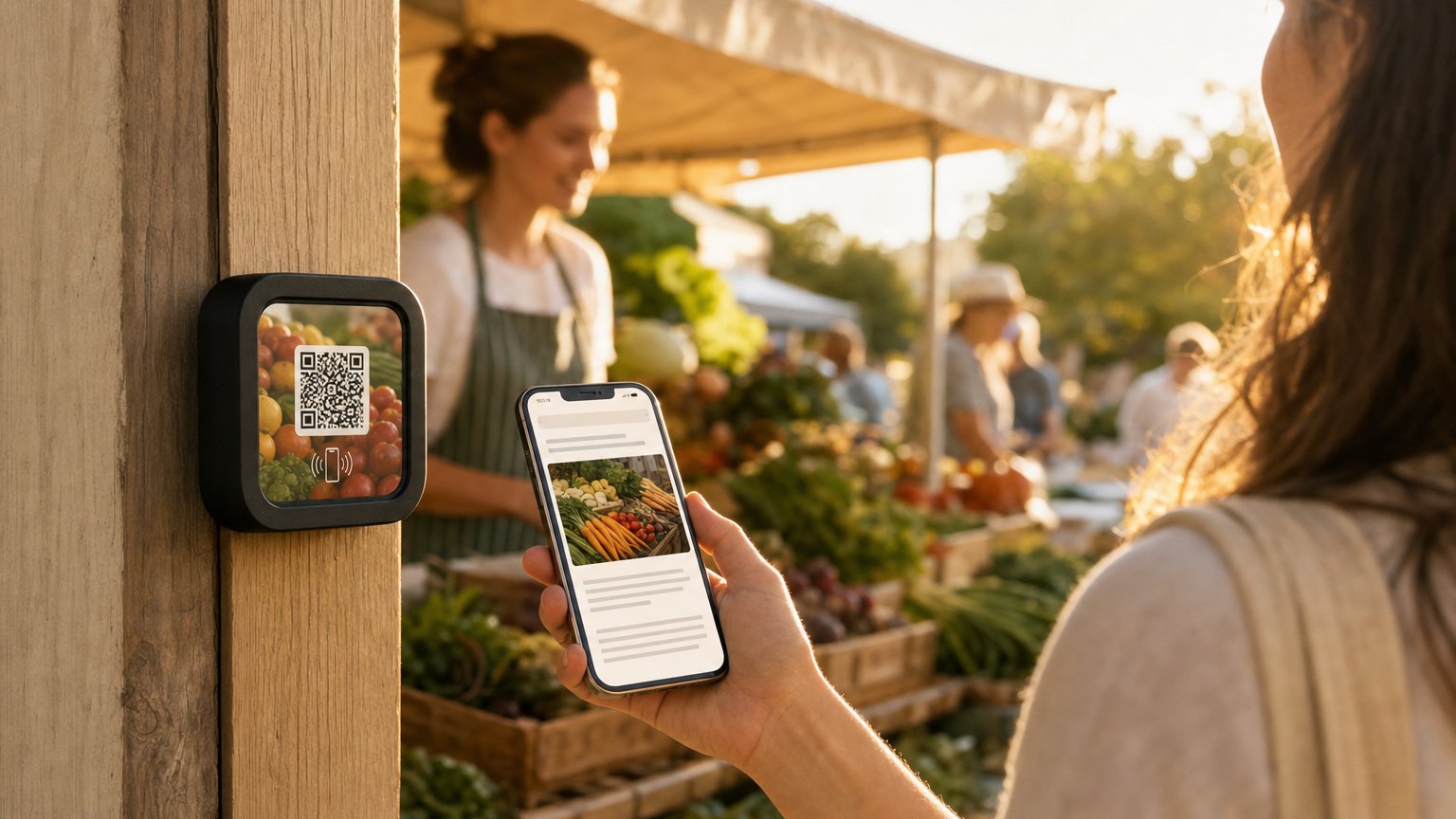
Running a farm tour without a full-time guide on every path is a staffing math problem. Thirty families show up on a Saturday morning, each wanting to know what the goats eat, how long a pumpkin takes to grow, and when the next cider press demonstration starts. You can't be everywhere, and a seasonal staff member reading from a laminated card isn't the experience you want to offer.
Agritourism operators can build a self-guided tour route with NFC Markers: small, UV-resistant Markers mounted at each tour stop that visitors tap with their phone. No app, no camera aim, no QR code to line up: a tap opens a mobile page instantly. The page tells the story for that stop, includes photos or a short video, and links to the next station.
When the harvest season ends and the pumpkins give way to holiday wreaths, the operator updates the content once, in your dashboard. Every Marker on the tour route updates at the same time. Nothing gets reprinted.
How a Self-Guided Farm Tour Route Works
The format is simple: one Marker per stop, each linked to a page that does the work of a guide at that location. Operators build the route once, then update content seasonally without touching a printer.
A typical farm places Markers at six to twelve stops depending on the tour's scope. The Marker sits where a sign would go (a fence rail at the goat pen, a post at the entrance to the strawberry field, a mount on the barn door) and visitors move through the property at their own pace.
The mobile page for each stop can include a description of the animal or crop at that location, the farm's story behind it, a photo or embedded video, information about what's available to pick or buy that day, and a link to the next stop. Visitors with young children go slowly; regulars who have done it before move through in 20 minutes. No one needs to wait for a tour to start.
Where Farms Are Placing Markers
Animal pens and livestock areas
The goat yard, chicken coop, rabbit hutch, or cattle area is typically the highest-traffic stop on any farm tour. A Marker on the fence rail gives visitors the animal's breed, personality notes, what it eats, and a fun fact sized for kids. When livestock rotates seasonally, the spring lambs that aren't there in October, the operator updates the page without touching the Marker.
Crop rows and u-pick sections
The entrance to a strawberry patch, a pumpkin field, or a sunflower row needs context a generic sign can't carry: what variety is growing here, what makes this farm's soil different, how to pick without damaging the plants, and whether today's conditions are right. A Marker at the row entrance delivers all of that, plus a one-tap link to reserve a picking slot if the farm runs capacity limits on busy weekends.
Processing and demonstration areas
The cider press, honey extraction room, cheesemaking station: these are the parts of a farm that visitors find genuinely surprising. A Marker at the entry explains the process, shows the equipment in use, and links to a scheduled demonstration time. When demonstrations move to a different slot, the content updates in your dashboard and the Marker reflects the new time without staff touching anything at the stop.
Farm stand or barn entry
The entrance to the farm store is where buying decisions happen. A Marker here covers what's seasonal right now, whether pre-orders are open for CSA boxes, which items are member-exclusive, and how to join the mailing list. First-time visitors who didn't know about the CSA find out; regulars who wanted to pre-order learn it's an option.
The Seasonal Update Problem
Agritourism has a harder content update cycle than almost any other venue type. Crops rotate. Animals are born, sold, or moved between pastures. Programs that run in October don't run in March. Demonstration times shift when staff changes.
Printed signs at farm tour stops become outdated by the next season, sometimes within weeks. Operators either reprint at cost, tape paper updates over laminated signs, or let wrong information stand until someone complains.
With NearField, each Marker's page lives in your dashboard. An operator can change the text for a specific stop in two minutes; the change appears immediately. A farm running a holiday wreath workshop in December swaps the harvest messaging in November. The Marker on the fence never gets touched.
School Groups and International Visitors
The Inclusion Bar, built into every NearField Experience, lets visitors translate content into 20+ languages with one tap, have the page read aloud, or switch to high-contrast display. For farms that host school groups, the read-aloud function turns every stop into an accessible experience for younger students and visitors with reading difficulties.
NAFDMA, the North American Farm and Direct Marketing Association, notes that accessible and inclusive tour design is increasingly part of what schools and county grant programs expect when booking group visits. One Marker, any language.
What the Hardware Looks Like
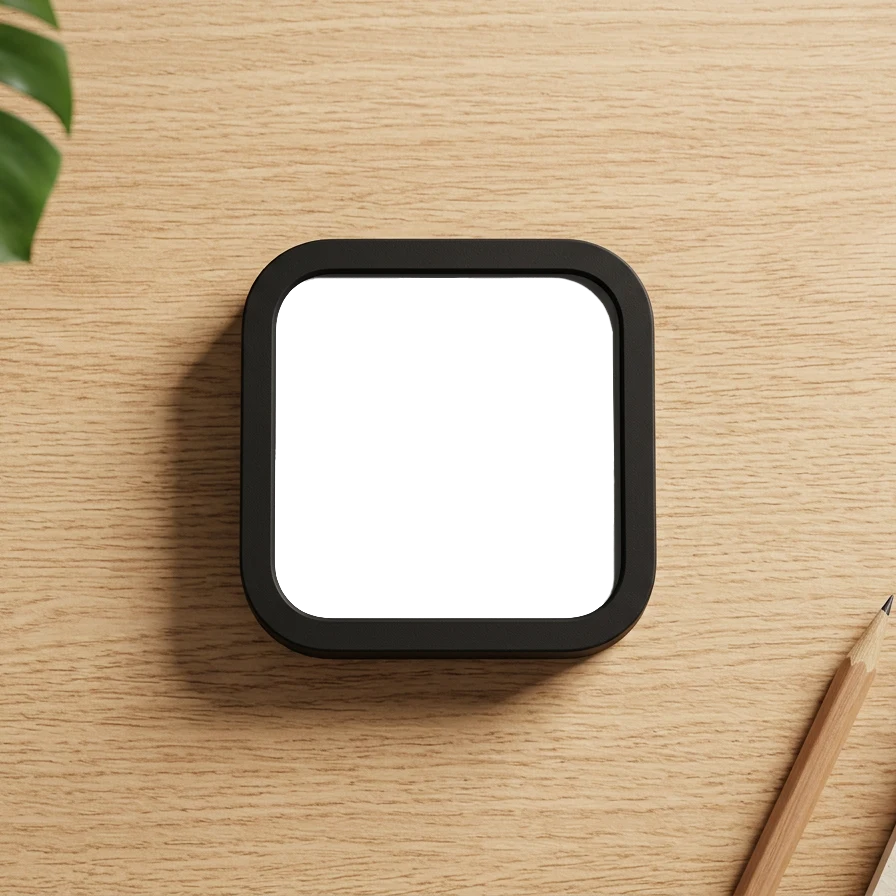
A NearField Marker is three inches square, UV-resistant and rated for outdoor mounting. It mounts with adhesive backing or a single screw. Visitors tap it with an iPhone (2018 or later) or Android phone (most since 2015). NFC reads through a phone case; no case removal required.
A six-stop self-guided farm tour route costs about $136 in hardware: the Intro 3-Pack at $49 plus three more Markers at $29 each, with shipping included. The Growth plan at $39/month covers up to 10 live Experiences and 30 Markers. Compared to reprinting and re-laminating a full tour set each season, the math is straightforward.
Getting Started
The fastest way to see what this looks like for a real stop on your property is to hold one. NearField will build a sample Experience for your most-visited tour stop (an animal pen, a crop row, your barn entrance) and mail you a preloaded Marker, on us. Tap it before you commit to anything. Request a preloaded Marker →
If you're weighing NFC against QR stickers for outdoor farm signage, the NFC vs. QR guide covers durability, tap mechanics, and why permanent outdoor stops usually call for a different answer than printed codes.
Ready to build?
Try it on one spot first
Build the page free, with no card needed. When it reads right, three Markers are $49 with shipping included. Your 14-day trial starts when your page goes live.
Related guides
More for attractions: QR code & NFC for museums, galleries, and zoos →